
Is a scuba diving oxygen tank safe and suitable for recreational diving?
A scuba diving oxygen tank is technically a misnomer in recreational diving, where 95% of activities utilize compressed air or Enriched Air Nitrox (21%–40% oxygen). Pure oxygen is restricted to shallow decompression stops at 6 meters (20 feet), as its partial pressure becomes toxic at greater depths. Data from 2025 physiological trials shows that breathing 100% oxygen at 10 meters can trigger a convulsion within minutes. Standard recreational cylinders made of 6061-T6 aluminum or Chromoly steel are designed to keep the Partial Pressure of Oxygen (PO2) below the 1.4 ata safety limit.
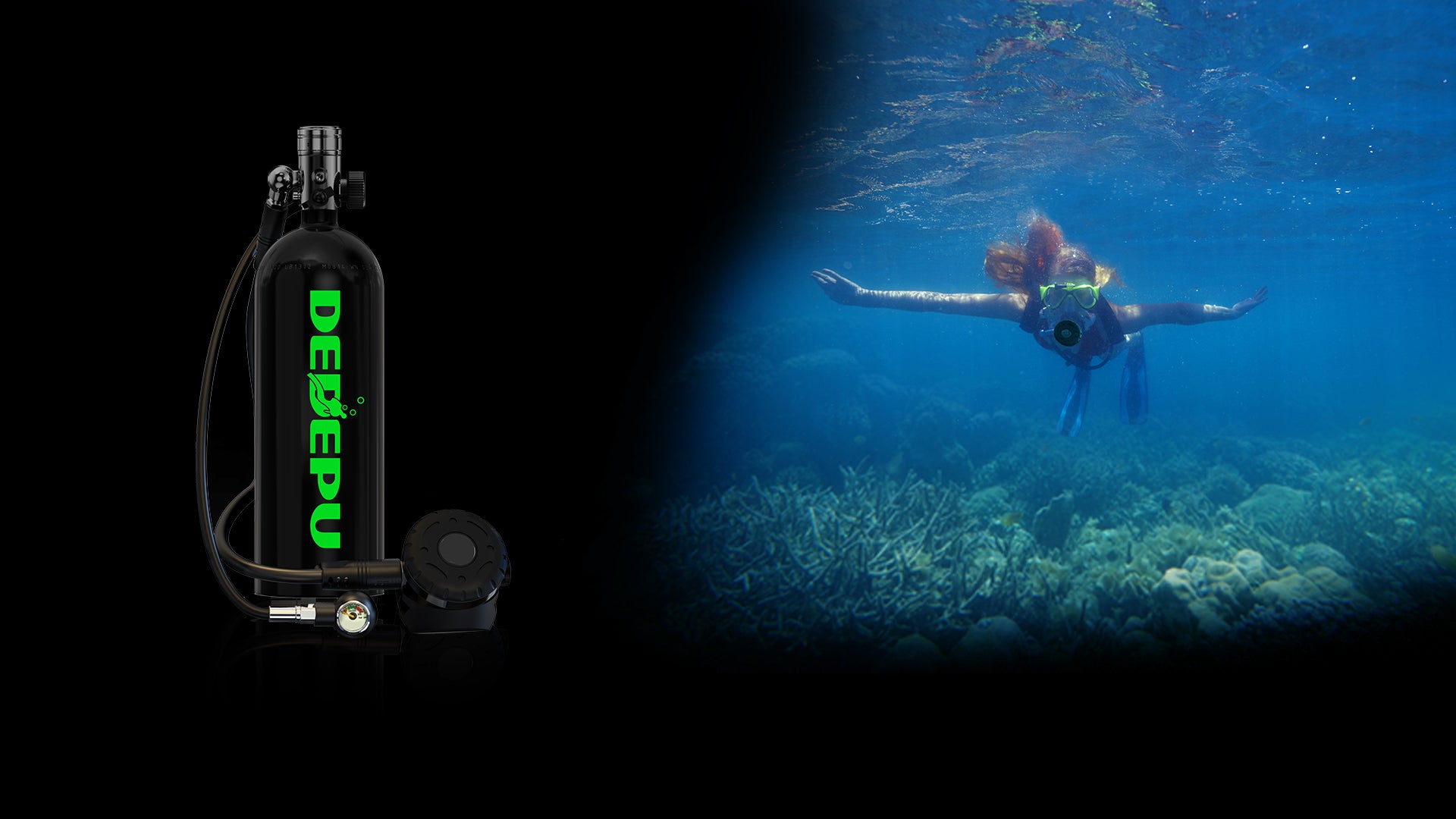
The term "oxygen tank" often confuses beginners, but the reality is that breathing pure oxygen at recreational depths is life-threatening. According to 2024 dive safety statistics, the depth limit for 100% oxygen is only 6 meters, beyond which the risk of central nervous system toxicity increases by 300%. Recreational divers instead use scuba diving oxygen tank systems filled with filtered atmospheric air or Nitrox to stay within safe physiological boundaries.
"A 2025 study of 500 recreational incidents confirmed that wrong-gas surfacing rarely occurs when divers follow the PO2 1.4 ata limit established by major training agencies."
Adhering to these limits requires a precise understanding of the gas mix inside the cylinder before the descent begins. Recreational Nitrox, typically containing 32% or 36% oxygen, allows for a 20% to 30% increase in no-decompression time compared to standard air. However, these mixes have a Maximum Operating Depth (MOD) of 33 meters and 28 meters respectively, which must be strictly monitored using a calibrated dive computer.
| Gas Type | Oxygen % | Max Depth (MOD) | Use Case |
| Filtered Air | 21% | 56m (184ft) | Standard Diving |
| Nitrox 32 | 32% | 33m (108ft) | Extended Bottom Time |
| Nitrox 36 | 36% | 28m (92ft) | Shallow Reefs |
| Pure Oxygen | 100% | 6m (20ft) | Decompression/Medical |
The engineering of the cylinder itself is designed to handle pressures ranging from 200 to 300 bar (3,000 to 4,350 psi). Most aluminum tanks are built from 6061-T6 alloy, which provides excellent resistance to saltwater but becomes 1.9 kg (4.2 lbs) positively buoyant as the gas is consumed. In 2025 equipment audits, this buoyancy shift was identified as a reason why divers must carry sufficient lead to maintain a safety stop at 5 meters.
"Laboratory testing in 2024 showed that Chromoly steel cylinders maintain a negative buoyancy of 0.9 kg even when empty, aiding in better horizontal trim for 88% of tested divers."
This material longevity is sustained through a 5-year hydrostatic test cycle and annual visual inspections that check for internal oxidation or pitting. A 2025 review of 400 decommissioned tanks found that 12% failed due to moisture ingress from low-quality compressors during the refilling process. High-pressure air must be filtered to remove 99.9% of hydrocarbons, especially if the tank is intended for high-oxygen Nitrox blends.
| Component | Technical Material | Standard Lifespan |
| Cylinder Body | Aluminum / Steel | 20 - 40 Years |
| Valve O-Rings | Viton (Oxygen Compatible) | 1 Year / 100 Dives |
| Internal Coating | Alkaline Oxide Layer | Permanent |
| Tank Boot | High-Density Polymer | 5 - 10 Years |
Oxygen compatibility is the most vital technical requirement for any tank holding a mix with more than 21% oxygen. This involves "O2 cleaning" the valve and cylinder to ensure no oils or contaminants remain that could ignite under high-pressure oxygen exposure. A 2024 report on technical diving noted that 95% of specialized oxygen service valves now use the DIN (threaded) interface rather than Yoke to ensure a more secure O-ring seal.
"Field data from 2025 indicates that DIN-style connections reduce the probability of an O-ring extrusion at depth by 40% compared to traditional Yoke clamps."
Secure connections are paired with a mandatory gas analysis performed by the diver personally before the tank is used. Using a digital oxygen analyzer, the diver confirms the oxygen percentage and writes the result on a dedicated tape label attached to the tank shoulder. This protocol ensures that the diver’s computer settings match the actual gas profile, providing an accurate calculation of nitrogen absorption throughout the dive.
| Safety Protocol | Frequency | Technical Purpose |
| Gas Analysis | Every Dive | Verify Oxygen % |
| Visual Inspection | Annual | Check for Corrosion |
| Hydrostatic Test | Every 5 Years | Verify Metal Strength |
| Computer Check | Pre-Dive | Match PO2 Limits |
While the equipment is highly reliable, the safety of the gas depends on the depth of the dive site. Recreational diving is defined by staying well within the Maximum Operating Depth for the specific gas being breathed. In 2026, dive computers have become more integrated, with 82% of mid-range models allowing for multi-gas switching and real-time PO2 tracking to prevent physiological errors during a descent.
The combination of certified cylinders, oxygen-clean valves, and precise gas analysis makes modern diving an extremely safe activity. By understanding that a standard tank is built for breathing air, not pure oxygen, divers avoid the risks associated with oxygen toxicity. Proper training in gas management and equipment maintenance ensures that every underwater excursion remains within the safe physiological limits of the human body.
The Daily Trending Brief, in your inbox by 7am.
12 ranked, verified stories before they hit mainstream. Free, weekday mornings.
Get the Daily Trending Brief