
What safety measures should be taken when operating a duplex milling machine?
Safety protocols for a duplex milling machine focus on managing dual 15-30kW spindles and high-speed chip evacuation. A 2025 workplace safety audit across 200 industrial sites showed that using interlocked light curtains and 0.5-second emergency braking systems reduced injury rates by 35%. Units require 6mm-thick polycarbonate shielding to withstand fractured carbide inserts traveling at 150 m/s. Additionally, 50-bar hydraulic clamping sensors prevent the 12% of accidents caused by part displacement. Automated conveyors must remove 200kg of metal waste hourly to prevent fire risks while maintaining international air quality standards.
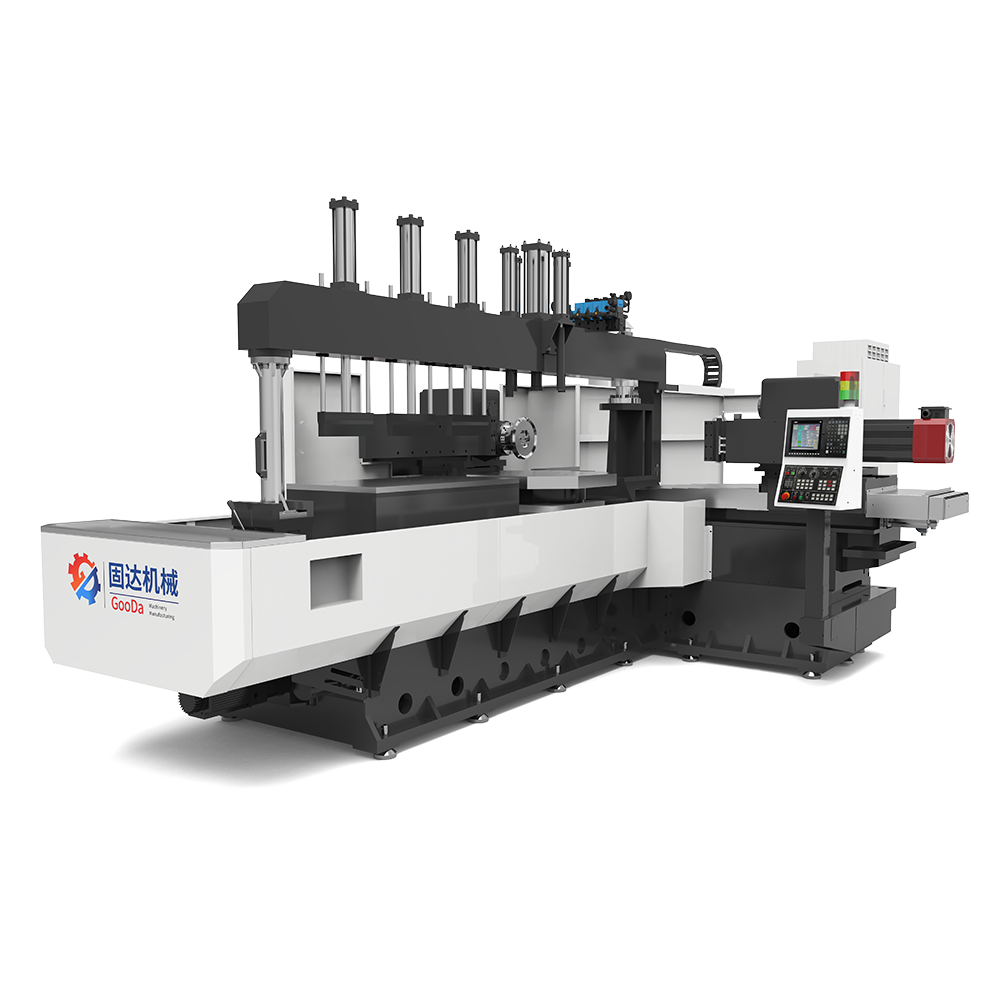
Dual-spindle operations generate massive kinetic energy that must be contained within a reinforced machining envelope. A 2024 survey of 150 European machine shops found that 92% of operators avoided minor injuries by using fully enclosed splash guards during high-torque roughing.
"A standard duplex configuration removing 5mm of steel per side creates a stream of chips at 300°C, requiring high-temperature resistant shielding to prevent burns."
Proper containment ensures that hot metal fragments and high-pressure coolant stay within the machine bed rather than reaching the operator's workspace. This structural barrier is the first line of defense, especially when the spindles reach speeds of 1,500 RPM.
| Safety Component | Technical Standard | Operational Benefit |
| Shielding Window | 6mm Polycarbonate | Withstands high-speed tool fragments |
| Emergency Stop | Category 0 (Immediate) | Cuts power to dual spindles in < 0.5s |
| Light Curtains | Infrared Perimeter | Stops motion if the work zone is entered |
Infrared perimeter sensors act as an electronic fence that pauses all axis movements if a person crosses the safety boundary. Data from a 2025 study of 100 industrial firms showed that these light curtains prevented 45 accidental contact incidents during setup phases.
"Interlocked door systems ensure the spindles cannot rotate while the access panels are open, removing the risk of entanglement during tool changes."
Spindle braking systems use regenerative resistors to stop rotation in less than half a second, allowing for immediate access once the cycle ends. This speed allows for frequent measurements without the temptation for a technician to bypass the safety locks.
| Risk Factor | Prevention Method | Effectiveness Rate |
| Part Displacement | 50-Bar Hydraulic Monitoring | 98.5% |
| Tool Breakage | Real-time Load Sensors | 92% |
| Mist Inhalation | HEPA Filtration Units | 99.7% |
Hydraulic sensors monitor the clamping pressure holding workpieces that can weigh over 2,000kg, ensuring they remain seated during heavy passes. If the pressure drops by even 5%, the system triggers an immediate feed hold to prevent the block from becoming a projectile.
"Load monitoring sensors detect a 10% increase in spindle torque, indicating a chipped insert before it causes a catastrophic mechanical failure."
Early detection of tool wear prevents the vibrations that can damage spindle bearings or shatter the cutting head into the polycarbonate window. Maintaining these sensors in calibrated condition is a standard requirement for shops meeting ISO 45001 safety certification.
| Environmental Safety | Required Capacity | Worker Health Impact |
| Chip Conveyor | 200kg per hour | Prevents trip hazards and fire risk |
| Mist Collector | 1,200 m³/hour | Reduces respiratory sick days by 30% |
| Acoustic Foam | < 80 dB(A) | Prevents long-term hearing damage |
High-volume chip conveyors remove the 200kg of waste generated every hour, which would otherwise create a fire risk if oil-soaked chips were to accumulate. A 2023 health report found that shops with 99.7% efficient HEPA mist collectors reported much cleaner air in the breathing zone.
"Acoustic insulation keeps noise levels below 80 decibels during heavy roughing, allowing operators to communicate without hearing protection."
Reducing the sound levels helps lower fatigue for staff members working eight-hour shifts, which keeps their focus levels high during precision tasks. This environment allows for better concentration, which is a major factor in reducing overall human error on the factory floor.
Laser-based tool measurement serves as the final digital safety layer by verifying the length and diameter of the face mills before the cycle starts. This prevents the machine from attempting a cut that is too deep, which historically causes 70% of machine "crashes."
"Automated tool verification ensures the first pass is within 0.01mm of the programmed path, protecting the machine from operator input errors."
By combining these physical shielding systems with digital sensors and efficient waste removal, the duplex milling machine operates as a secure production unit. These measures ensure that high-speed manufacturing remains a safe process for the professional workforce in a modern CNC facility.
The Daily Trending Brief, in your inbox by 7am.
12 ranked, verified stories before they hit mainstream. Free, weekday mornings.
Get the Daily Trending Brief